
394
Shrubs rarely get the attention they deserve. Towering oaks, blooming perennials and emerald lawns usually steal the spotlight in photos and drive-bys. Tucked somewhere in the background are the quiet workhorses of the landscape—the azaleas, boxwoods, lilacs, hollies and hydrangeas that fill in the gaps. Yet shrubbery is far more than simple filler. These humble plants serve a surprising number of purposes in yards and communities.
Aesthetics Advantages
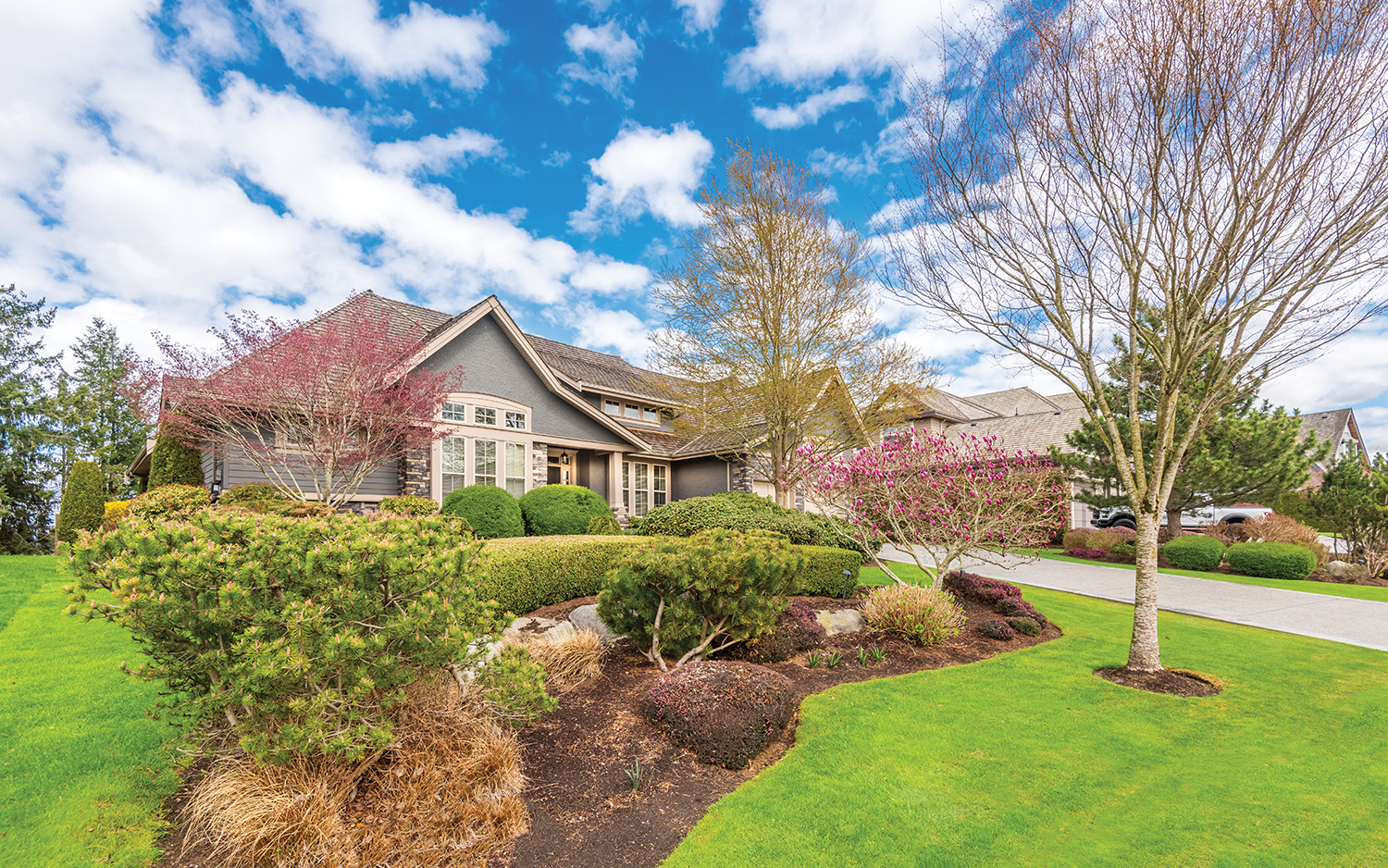
While flowers come and go with the seasons and trees take decades to mature, shrubs create the dependable backbone of a landscape. They define spaces, mark boundaries and give gardens their shape year-round. Without them, many green places would look blank and somehow unfinished.
“Shrubs can help tie a home into the surrounding landscape, create structure and year round interest and provide privacy. When chosen and sited well, they offer a lower maintenance planting,” states Tish Poteet, plant designer for Back to Nature Landscaping and Construction.
A row of neatly trimmed hedges can outline a driveway or walkway. A cluster of evergreen bushes anchors the corner of a house or condo building. Low, rounded plantings soften hard edges around foundations, decks and porches. Even in the dead of a New River Valley winter, shrubs keep a landscape from looking empty and lifeless.
Long before 6-foot high wood and vinyl fences, homeowners relied on thick hedges to create natural barriers. A well-placed row of arborvitae or holly can block unwanted views, reduce noise and provide a sense of seclusion more attractively than a man-made wall.
Poteet suggests plants which offer multiple seasons of interest. “Fothergilla is a native plant which blooms in early spring and provides great fall color. Virginia sweetspire (Itea virginica) is another native that blooms in summer and has burgundy fall foliage. Vary your choices to have something flowering from early spring, like fothergilla until late summer when bluebeard (Caryopteris) provides purple-blue flowers that pollinators love.”
Environmental Benefits
Shrubs are excellent environmental helpers. Their roots stabilize soil and help prevent erosion, particularly on slopes or along waterways. In heavy rains, shrub beds absorb water and reduce runoff, protecting both landscapes and local storm systems. Birds, butterflies and small mammals find a natural habitat in many shrubs.
Dense plantings offer safe places to nest, hide from predators and escape harsh weather. Flowering shrubs such as viburnum, butterfly bush and lilac provide nectar for pollinators. Berry-producing varieties like elderberry and serviceberry supply natural food sources throughout the year. Even an untrimmed hedge can be a miniature ecosystem.
Strategically planted shrubbery can help regulate temperatures around a home. Evergreens along northern walls act as windbreaks in winter, potentially reducing heat loss. Deciduous shrubs near windows provide shade in summer while allowing sunlight to filter through once their leaves drop in fall.
Personal and Property Value
Curb appeal connects to property value, and real estate professionals consistently note that mature, well-maintained landscaping makes homes more attractive to buyers. Because shrubs grow relatively quickly and require modest investment, they are one of the most cost-effective ways to upgrade the look of a property. A few thoughtfully chosen plantings can make a new house look established or give an older home a much-needed lift.
What and Where?
Different types of shrubs fulfill different needs. Evergreens such as boxwood and juniper provide year-round color and reliability. Flowering shrubs like azaleas, butterfly bushes and hydrangeas add seasonal bursts of beauty. Hardy natives such as spicebush or ninebark offer resilience with minimal care. Selecting the right shrub for the right place is key to making them truly purposeful.
When chosen carefully, considering sunlight, soil and growth requirements, shrubbery can fill many roles for decades with surprisingly little maintenance. So when you pass a simple row of hedges or a cluster of unassuming bushes, take a closer look. Those plants are doing far more than just sitting there. They are protecting soil, sheltering birds, cooling homes, defining spaces and quietly making our surroundings more beautiful.
Text by Joanne M. Anderson
