
556
For the armchair observer, a myriad of scientific jargon can often be combined into simple layman’s terms, whether or not the classification is strictly correct. A prime example of this is so-called “hibernation.” Bears hibernate. Frogs hibernate. Foxes hibernate. Or do they?
Well, it all depends on who you are in the scientific world and just how specific you can get.
Hibernation casts a wide net over a plethora of classifications. It can be used to cover any state of dormancy, torpor or inactivity in an animal. A breakdown of hibernation myths and a fact-or-fiction examination sheds some light on what really goes on under those blankets of snow during the winter months.
Dormancy, Torpor, Brumation
While some animals avoid harsh climates and perilous situations by migrating thousands of miles to a different region or country, many are equipped to shelter in place. It’s the means of that sheltering that has scientists all entangled in a kerfuffle of terms and classifications. Hibernation covers it all, so if you’re not looking to be strictly correct, the term is a safe catch-all.
Dormancy is when metabolic activity reduces in order to survive some element of environmental stress. Essentially, organisms are conserving their energy. Torpor is marked by low body temperature, often in response to cold or heat.
Brumation is what reptiles and amphibians undergo in cold weather (more on a specific creature later). The creatures live off their fat reserves during the cold months and emerge in March or April.
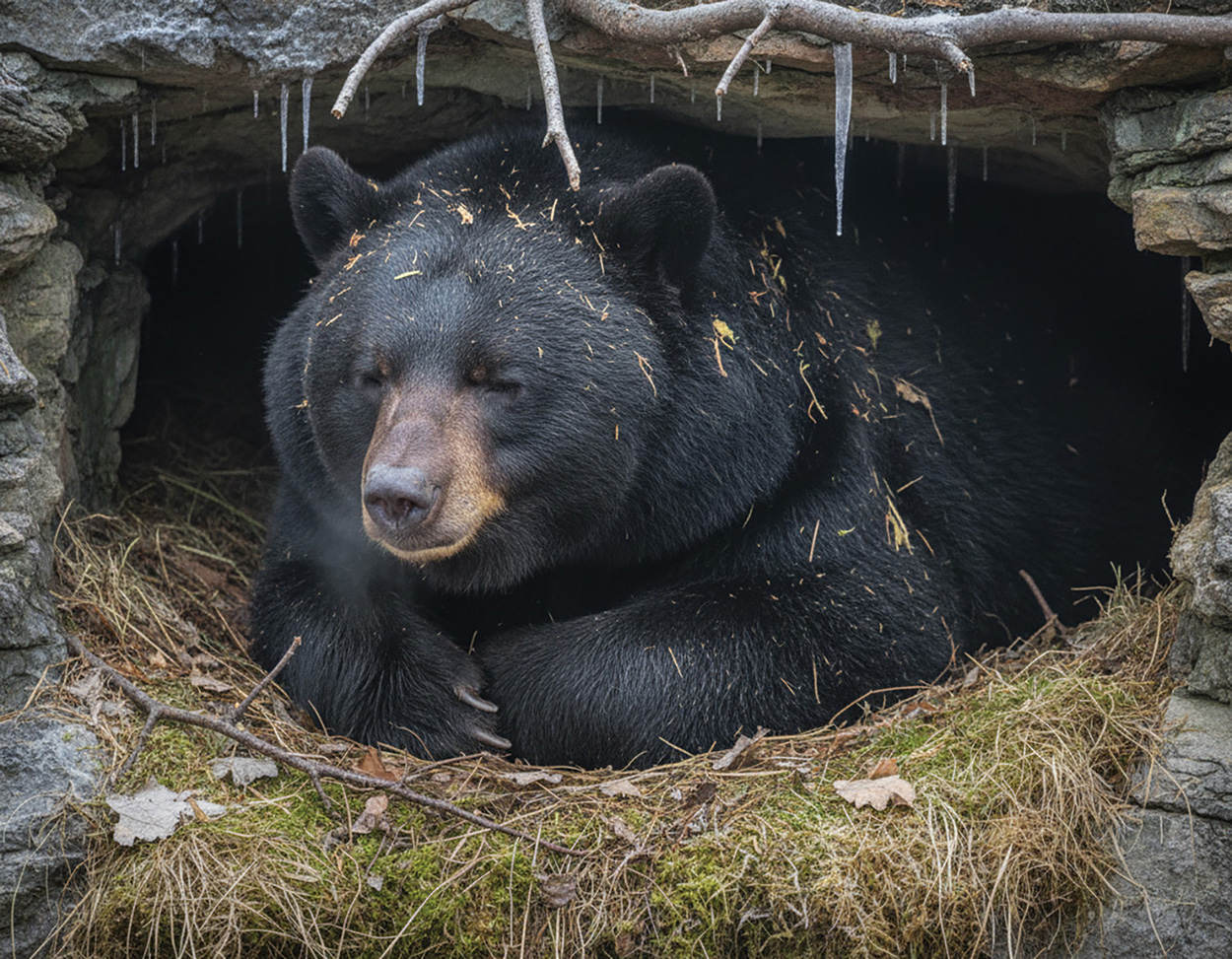
Prior to hibernation, in any of its forms, animals spend time in preparation for the long winter. Bears can feed up to 20 hours a day, storing up fat for the winter. A male black bear may gain up to 100 pounds in several weeks.
To throw more jargon into the fire, hyperphagia is the term (hyper for extreme and phagia for hunger) for the state that bears enter when they feel the need to eat continuously.
So, do animals hibernate? It all depends on whom you ask.
What Happens
During Hibernation?
Now that terminology is out of the way, the question remains: What do animals do in hibernation? It turns out, it’s a complex interworking of the slowing down of systems that allows the animals to survive.
In order to survive a long winter, metabolism, heart rate and body temperature decrease. Surprisingly, bears specifically aren’t snoozing the whole winter. They are awake for short times and move around, still holding their winter-long fast. Bears also become insulin resistant during their winter slumber after having sugared up during their long fall feasting phase.
Some animals have a more unusual method. Frogs, for example, freeze solid throughout the winter, simply thawing out when temperatures are warmer. Turtles, fascinatingly, take oxygen from the water through blood vessels.
The Low-Down on
Common NRV Creatures
Not all creatures are ready for a winter-long duration of inactivity. Here’s a run-down of common creatures residents might find in their backyard and what they’re up to during the winter months:
Bears are snoozing away in their dens, but not all of them. The Virginia Department of Wildlife Resources [VA DWR] notes that some may remain active during winter while reducing their normal movements. Male black bears especially sometimes don’t remain quiescent for the entire season. A word of caution from the VA DWR: Do not disturb found bear dens, which can include hollow trees, under crawl spaces and decks, and in brush piles.
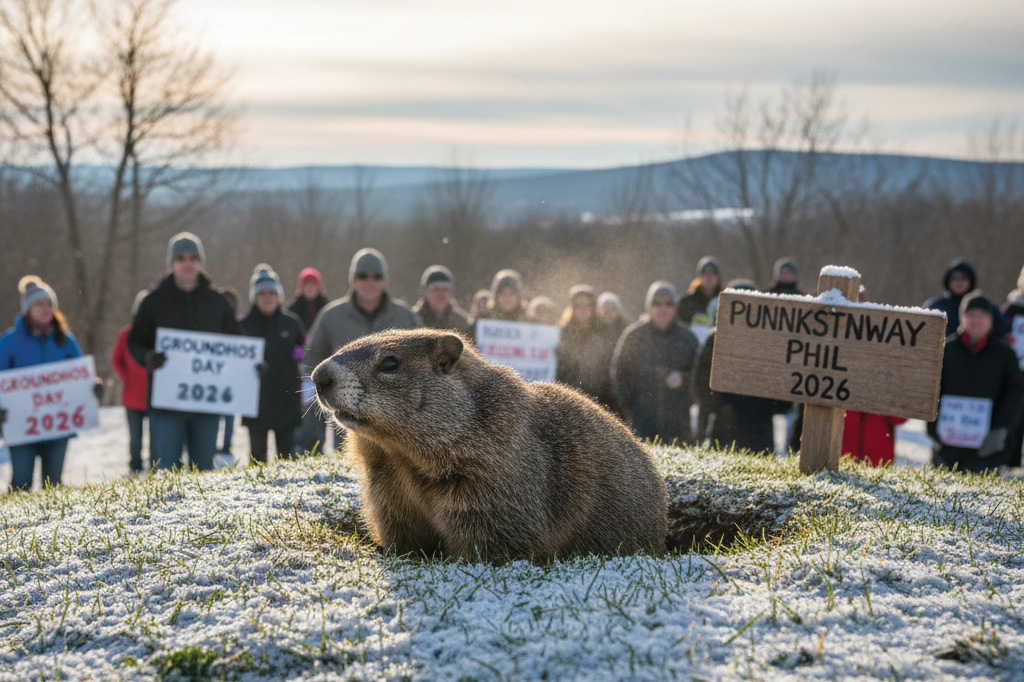
Groundhogs are “true hibernators” as the DWR states. They’re tucked away from October to March or April, and normal body functions like heart rate and temperature are slowed to a fraction of the normal rate.
Squirrels – unfortunately perhaps for those who view them as a nuisance — remain active during winter. Inclement weather may keep them in their den for a few days.
Turtles go into brumation. For a box turtle, this normally occurs under a few inches of forest material. The wood turtle species brumates in undercuts in streams, at the bottom of deep pools, or in a muskrat or beaver abode.
The diversity of classifications for these animals shows how limited knowledge on the subject really is concerning what goes on during long winter slumbers. Humans share a common need for rest, although it looks a little different. This winter, enjoy your own sort of hibernation, albeit with a mug of hot chocolate, a book and a blanket. You can simply appreciate the slumbering creatures in the hibernacula – that’s the dens of hibernating animals – in your backyard.
Fun fact: Punxatawney Phil, or the post-hibernation groundhog weatherman of Groundhog Day, has a prediction success rate of about 50%. The more accurate Staten Island Chuck has an 80% rate.
Text by Caitlyn Koser
Caitlyn Koser is a freelance writer who really enjoys the excuse of a cold winter day to hunker down with a good book.
